পা থেঁতলে দিয়ে ‘দুঃখ’ প্রকাশের রাজনীতি
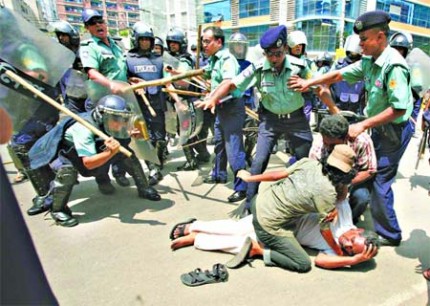
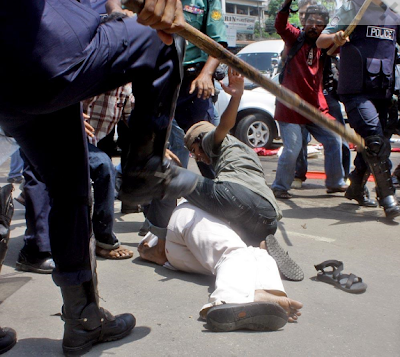
তেল, গ্যাসসম্পদ ও বিদ্যুৎ-বন্দর রক্ষা জাতীয় কমিটি পেট্রোবাংলা ঘেরাও কর্মসূচি দিয়েছিল সেপ্টেম্বরের ২ তারিখে। বাংলাদেশের যে কোন নাগরিকের অধিকার রয়েছে প্রতিবাদ জানাবার, বিক্ষোভ প্রকাশ করবার। এই কর্মসূচি সম্পর্কে সংগঠকদের মন্তব্য আমরা আগেই পড়েছি, তাঁরা শান্তিপূর্ণভাবে তাঁদের সাংবিধানিক মৌলিক অধিকারের দাবি নিয়েই কর্মসূচি পালনের উদ্যোগ নিয়েছিলেন। পত্রপত্রিকায় বিক্ষোভ সংক্রান্ত খবরাখবর আমরা যা দেখেছি তাতে পরিষ্কার যে এই বিক্ষোভ ছিল শান্তিপূর্ণ। গাড়ি ভাংচুরের যে ঘটনা আমরা শুনেছি তা সাধারণত এই সব ক্ষেত্রে কারা করে বা কারা জনগণের ন্যায়সঙ্গত দাবিকে হেয় করবার জন্য ঘটায় সেই সম্পর্কে আমরা অবহিত। এই বিক্ষোভে অংশগ্রহণকারীদের ওপর পুলিশ যেভাবে চড়াও হয়ে নির্মমভাবে লাটিপেটা করেছে তাতে আমরা ক্ষমতাসীন শক্তির চেহারায় হিংস্র ফ্যাসিষ্ট সুরতেরই পুরাবির্ভাব দেখলাম। তারা আহত করেছে প্রায় পঞ্চাশ জনের মতো বাংলাদেশের নাগরিকদের, যাঁরা চান বাংলাদেশের প্রাকৃতিক সম্পদ বাংলাদেশের জনগণেরই অধিকার থাকুক। জাতীয় স্বার্থ বজায় রেখে তার ব্যবহারে তাঁরা আপত্তি করেছেন বলে আমার মনে হয় নি। তাঁরা বাংলাদেশকে বহুজাতিক কম্পানির লুণ্ঠন ক্ষেত্র বানানোর বিরুদ্ধেই প্রতিবাদ করছিলেন। ক্ষমতাসীন সরকার এগারোই জানুয়ারির কুশীলবদের সঙ্গে হাত মিলিয়ে ক্ষমতায় এসেছে। এখন প্রকাশ্যেই পরদেশ ও বহুজাতিক কম্পানির সঙ্গে গাঁটছড়ার গোমর নিজেই ফ্যাসিস্ট হিংস্রতার মধ্য দিয়ে উদাম করে দিচ্ছে। জয় ডিজিটাল বাংলাদেশ!
পত্রপত্রিকায় সংগঠনের জাতীয় কমিটির সচিব জাহাঙ্গীরনগরের বিশ্ববিদ্যালয়ের অধ্যাপক আনু মুহাম্মদের ওপর চড়াও হবার খবর সঙ্গত কারণেই প্রধান হয়ে উঠেছে। আনু গণমানুষের কথা বলেন। ফলে তাঁর কাছে নিশ্চয়ই তিনি নিজে আহত হলেন কি একজন রিক্সাওয়ালা বা দিনমজুর আহত হলেন সেটা বড় প্রশ্ন নয়। কোন নাগরিককে এইভাবে হামলার অধিকার আমরা রাষ্ট্রকে দিতে পারি না। অথচ প্রত্যেকেই ছিলেন হামলার লক্ষ্যবস্তু। প্রশ্ন উঠছে আনু মুহাম্মদকে নির্মমভাবে মারা এবং তাঁর পা থেঁতলে দেওয়ার অন্য কোন মানে আছে কিনা। অবশ্যই আছে। কারণ তেল-গ্যাস-কয়লা কম্পানি ও তাদের ফ্যাসিষ্ট বন্ধুরা ভুল করে বিশ্ববিদ্যালয়ের একজন অধ্যাপকের ওপর চড়াও হয়েছে, ব্যাপারটা এতো সহজ নয়। প্রতিপক্ষকে উচিত শিক্ষা দেবার ফ্যাসিষ্ট নীতিরই এটা অংশ। নইলে এই নৃশংসতার আর কী মানে হতে পারে? বিশেষত যাঁরা জাতীয় স্বার্থের কথা বলেন, হামলা যখন তাঁদের দিকে নিবদ্ধ হয়, তখন আমরা বিষয়টিকে ‘দুর্ঘটনা’ বলতে পারি না। আনু মুহাম্মদকে বিশেষভাবে টার্গেট করবার যথেষ্ট কারণ রয়েছে এই সরকারের। ঢাকা শহরে আমাদের সমাজ এমন বড় কিছু নয়। আনু মুহাম্মদকে চেনাও কঠিন নয়। কিন্তু তাঁর দুই পা থেঁতলে দেওয়া ও হাসপাতালে পাঠানো একটি বড়সড় সন্দেহ হয়ে এখন ঝুলে থাকবে। সরকার পক্ষের মন্ত্রিরা তাঁকে হাসপাতালে ‘দুঃখ’ প্রকাশ করবার জন্য যাওয়ার রাজনীতিকেও আমরা উপেক্ষা করি না। আমাদের বুঝতে হবে তার আগে বেগম খালেদা জিয়া হাসপাতালে গিয়েছিলেন এবং আহতদের প্রতি সমবেদনা জ্ঞাপন করে এসেছেন। পা ভেঙে দিয়ে মন্ত্রিদের দুঃখ প্রকাশ নিতান্তই তারই পাল্টা রাজনীতি মাত্র। এই ক্ষেত্রে আন্তরিকতা যদি দুই পক্ষের কারো আদৌ থেকে থাকে তাহলে সেটা বোঝা যাবে ক্ষমতাসীনরা যদি তাদের ফ্যাসিষ্ট প্রবণতার ওপর রাশ টেনে ধরে এবং তাদের বর্তমান সিদ্ধান্ত বদলায় এবং বিএনপির দিক থেকে একইভাবে জাতীয় স্বার্থরক্ষার প্রশ্নে সংখ্যাগরিষ্ঠের স্বার্থকে যদি তারা প্রাধান্য দেয়, যদি বেগম জিয়ার সববেদনা ব্যক্তির প্রতি না হয়ে তেল-গ্যাসসম্পদ, বিদ্যুৎ-বন্দর রক্ষা কমিটির কর্মসূচির প্রতি সমর্থন হয়। হাসপাতালে আমি যখন আনুকে দেখতে গিয়েছি, তিনি আমাকে জানিয়েছেন মন্ত্রিরা পুলিশের বিরুদ্ধে ব্যবস্থা গ্রহণ করবার কথা বলেছেন, কিন্তু পুলিশের বিরুদ্ধে ব্যবস্থা নেওয়া বা না নেওয়া তো সংবিধান ও আইনের ব্যাপার। বরং তাঁরা যদি আসলেই আন্তরিক হয়ে থাকেন তাহলে যে জন্য এই আন্দোলন বিক্ষোভ সেই ব্যাপারে তাঁদের কোন একটা বিহিত করবার কথাই বলা উচিত। আমরা তাঁর সঙ্গে অবশ্যই একমত। জাতীয় স্বার্থ রক্ষা হয় এমন একটি জ্বালানি নীতি প্রণয়ন করবার আন্তরিকতার মধ্যে যদি উভয়পক্ষের সমবেদনা পরিণতি লাভ না করে তাহলে এর আর অধিক কোন মূল্য আছে মনে করার কারণ নাই।
জনগণের আবেগ ও সংবেদনশীল দিকগুলোকে পুঁজি করে ফ্যাসিজম নিজের রাজনীতির ভিত্তি তৈরি করে, একনায়কতান্ত্রিক ক্ষমতার বিপরীতে ফ্যাসিজমের মৌলিক বৈশিষ্ট্যসূচক পার্থক্য হচ্ছে ফ্যাসিজম আপাতদৃষ্টিতে জনপ্রিয় ও সংবেদনশীল ক্ষেত্রগুলোতে মানুষের মধ্যে ক্রমাগত উসকানি দিয়ে নিজের ক্ষমতা পরিগঠন করে। যেমন, ‘মুক্তিযুদ্ধ।’ বাংলাদেশের প্রতিটি নাগরিককে মুক্তিযুদ্ধ যথার্থই আবেগাক্রান্ত ও আপ্লুত করে তোলে। ফ্যাসিজম ছুরি চালায় মানুষের এইসব অতি দুর্বল জায়গাগুলোতে। ক্ষমতায় গিয়ে ফ্যাসিবাদ তার শক্তিকে ব্যবহার করে পরাশক্তির হাতে দেশকে তুলে দেবার জন্য। তার অর্থনৈতিক, সামাজিক ও রাজনৈতিক আদর্শ সাম্রাজ্যবাদের স্থানীয় ঠিকাদারির অধিক কিছু নয়। এমনকি সেই টেকনলজিই লোকায়ত জ্ঞান ও জনগণের উদ্ভাবনী ক্ষমতার বিপরীতে ফ্যাসিবাদ জবরদস্তি প্রবর্তনে উৎসাহী যা পরিবেশবিধ্বংসী। যেমন জেনেটিক ইঞ্জিনিয়ারিং কম্পানির হাতে কৃষি ও জনমহালগুলো তুলে দেবার জন্য এই ফ্যাসিবাদ বাংলাদেশকে হাইব্রিড ধান আর মনোসেক্স তেলাপিয়া খাওয়ানো নীতি গ্রহণ করে। ফ্যাসিবাদ জনগণের কথা বলেন, জনগণের আবেগ নিয়ে ক্রমাগত সুড়সুড়ি খেলতে আমোদ বোধ করে, কিন্তু দারোয়ান হয় বহুজাতিক কম্পানির। মানুষের প্রিয় আবেগ, সংকল্প, স্মৃতিকে মুক্তিযুদ্ধের নামে এই ‘জাতীয়তাবাদ’ যখন বহুজাতিক কম্পানির বিজ্ঞাপন, মোবাইল কম্পানির বিলবোর্ড, বাংলাদেশের পতাকা হাতে এ আর রহমানের ‘বন্দে মাতরম’ গানের নিম্নশ্রেণীর নকলবাজিতে পর্যবসিত করে, তখন আমরা কোন প্রতিবাদ দেখি না। ফ্যাসিজম ও সাম্রাজ্যবাদ এই কালে সমার্থক। সাম্রাজ্যবাদের এই কালে, বহুজাতিক কম্পানিগুলোও দারুণ ‘বাঙালি জাতীয়তাবাদী’ হয়ে যাচ্ছে। বাংলাদেশকে তাদের বিজ্ঞাপনের কাঁচামাল বানিয়ে ফেলেছে। ফ্যাসিবাদ ও সাম্রাজ্যবাদের বিরুদ্ধে সাংস্কৃতিক লড়াই-সংগ্রাম। সে কারণে প্রাকৃতিক সম্পদ রক্ষার মতো সমান গুরুত্বপূর্ণ।
 তেল-গ্যাস রক্ষা কমিটির আন্দোলনের প্রতি সংহতি জানাবার জন্য আমার এই লেখা। যাঁরা আহত হয়েছেন তাঁদের প্রত্যেকের সঙ্গে আমি একাতœ। ফ্যাসিবাদের দাপট ও হিংস্রতার মুখে জাতীয় স্বার্থ যেন আমাদের সকলকেই ঐক্যবদ্ধ ও সংহত করে-এটাই আমাদের এখানকার নীতি হওয়া উচিত। দেশের জ্বালানিসম্পদ রক্ষা করবার ক্ষেত্রে তেল-গ্যাস-বন্দর রক্ষা কমিটি জনগণের দিক থেকে গণস্বার্থের প্রতিনিধি হিশাবে স্বীকৃত। আজ অবধি আমরা এমন কিছু দেখি নি যাতে তাঁদের ওপর আমাদের আস্থা কমে। বাংলাদেশের মতো দেশগুলোতে জাতীয় স্বার্থরক্ষার প্রশ্ন শুধু অর্থনৈতিক নয়, রাজনৈতিক, সামাজিক ও সাংস্কৃতিকও বটে। ফলে বাংলাদেশে এই ধরনের একটি আন্দোলন আরো বড়ো পরিসরে নিয়ে যাবার জন্য যে রাজনৈতিক দূরদর্শিতা ও বিচক্ষণতার প্রয়োজন সেটা অর্জন করা একটা প্রক্রিয়া ও অভিজ্ঞ হয়ে ওঠার ব্যাপার। সেই দিক থেকেও তেল-গ্যাস বন্দর রক্ষা কমিটি অনেক দূর এগিয়ে গিয়েছে বলে আমার ধারণা। ফলে গণমানুষের দিক ক্ষমতাসীন সরকারের সিদ্ধান্তকে চ্যালেঞ্জ করে তারা এই ক্ষেত্রে নিজেদের নেতৃত্ব প্রতিষ্ঠা ও শক্তিশালী করেছেন। তারা সমবেদনার পাত্র নন। অভিনন্দনের পাত্র।
সম্প্রতি বাংলাদেশ তেল, গ্যাস ও মিনারেল কর্পোরেশন (পেট্রোবাংলা) আয়ারল্যান্ডের তাল্লো (Tullow Oil) আর মার্কিন যুক্তরাষ্ট্রের কনকোফিলিপস (Conociphilips) নামের দুটো কম্পানির সমুদ্রে তিনটি ব্লকে তেল খোঁজার পারমিট দিয়েছে। মায়ানমার আর ভারতের সঙ্গে সমুদ্র সীমানার এখতিয়ার নিয়ে বাংলাদেশের সঙ্গে যে ব্লকগুলো নিয়ে কাজিয়া চলছে এইগুলো সেই ব্লক নয়। যেগুলো নিয়ে বিতর্ক নাই সেই ব্লকগুলোই বিদেশী কম্পানির হাতে তুলে দেওয়া হয়েছে। মইনুদ্দিন-ফখরুদ্দিনের বেসামরিক লেবাসে সামরিক সরকারের আমলেও যে কাজটি করা হয়নি, সেটাই করেছে ক্ষমতাসীন ‘মহাজোট’ সরকার। কম্পানিগুলো তেল পেলে তার আশি থেকে একশ ভাগই রপ্তানি করতে পারবে। বাংলাদেশের শক্তি নিরাপত্তা বা এনার্জি সিকিউরিটি নিশ্চিয়তা নয়। ক্রমাগত দুনিয়াব্যাপী জ্বালানি চাহিদা বৃদ্ধি ও জ্বালানি প্রতিযোগিতার পরিপ্রেক্ষিতে নিজের তেল-গ্যাস-কয়লা দেশের বাইরে রপ্তানি করবার সিদ্ধান্ত আত্মঘাতী। দুনিয়াজুড়ে যে যুদ্ধ, ধ্বংস ও লুণ্ঠনের প্রক্রিয়া চলছে তা অন্যের জ্বালানি ছলে, বলে কৌশলে দখল করে নেওয়া, নিজেরটা দিয়ে ঘটছে সেইসব ক্ষেত্রে যেখানে দেশগুলো আদতে পরাধীন। জ্বালানি নিয়ে দুনিয়াব্যাপী তীব্র প্রতিযোগিতার মুখে বাংলাদেশের আগামী উন্নয়নের জন্য আবীশ্যক শক্তির মজুদ কিভাবে আমরা নিশ্চিত করব সেটা খুবই গুরুত্বপূর্ণ প্রশ্ন। কিন্তু সেটা শুধু জ্বালানি নীতির প্রশ্ন নয়, একই সঙ্গে উন্নয়ন নীতি, কূটনীতি ও প্রতিরক্ষা নীতিরও প্রশ্ন। নিদেনপক্ষে দরকষাকষির জন্য আন্তর্জাতিক অর্থনীতি ও রাষ্ট্রব্যবস্থার মধ্যে কার্যকর কূটনীতি ও প্রতিরক্ষা নীতি ছাড়া নিজেদের রক্ষা করবার জায়গাগুলো দ্রুত সংকুচিত হয়ে আসছে।
যদি কেউ মনে করে আমাদের নিজেদের অধিকারে কারখানার দরকার নাই, আমাদের শহরে গ্রামে লোডশেডিং নিয়ে মধযুগে ফিরে যাবার পণ আমাদের, অন্যদিকে আবার মোবাইল ফোন, ইন্টারনেট আর কম্পিউটার চালিয়ে ‘ডিজিটাল বাংলাদেশ’ নামক ভার্চুয়াল রিয়েলিটি বানাব বলে দিবাস্বাপ্নে খাবি খায় যারা, কেবল তাদের পক্ষেই কনকোফিলিপস ও তাল্লো কম্পানির সঙ্গে জাতীয় স্বার্থ বিসর্জন দিয়ে চুক্তি সম্ভব। চতুর্দিকে এক পরাবাস্তব পরিস্থিতি। বাস্তবতা আর সাইবার বাস্তবতার মধ্যে যে ফারাক সেটা মহাজোট আমাদের ভুলিয়ে দিতে চাইছে। গ্যাস-তেল-কয়লা খনিজ সম্পদ বিদেশী কম্পানির হাতে তুলে দেওয়ার সাইবার আনন্দে আমাদের দিন কাটুক। নিজেদের জ্বালানি নিজেদের উন্নয়নের জন্য নিশ্চিত মজুদ রাখবার নীতি কোথায় আমাদের? তথ্য-উপাত্ত কার কাছে আছে? এই পরিপ্রেক্ষিতেই বহুজাতিক কম্পানিকে জাতীয় স্বার্থবিরোধী পামিট দিয়ে দেওয়ার যুক্তি খুঁজে পাওয়া যায় না। তর্কটা প্রাকৃতিক জ্বালানিসম্পদ আমরা রপ্তানি করবো কি করবো না সেটা নয়, বরং প্রশ্ন হচ্ছে আমার জাতীয় জ্বালানি নীতি কেমন হবে। কিভাবে সেই নীতি আমরা বাস্তবায়ন করব। জাতীয় স্বার্থ রক্ষা করে এমন জ্বালানি নীতির অনুপস্থিতির কারণেই বিদেশে জ্বালানি রপ্তানি করবো কি করবো না সেটাই প্রধান রাজনৈতিক বিষয় হয়ে উঠতে বাধ্য। বুর্জোয়া রাজনীতির পরিমণ্ডলে এই দরকষাকষির জায়গাটাই পর্দার আড়ালে শ্রেণীসংগ্রামের প্রধান ক্ষেত্র হয়ে ওঠে। সরকারের তিনটি ব্লক বহুজাতিক কম্পানিকে বিদেশে রপ্তানির অনুচ্ছেদ রেখে তেল খুঁজবার জন্য পারমিট দেবার বিষয়টি এই কারণেই গুরুত্বপূর্ণ। জনগণের চোখে এই ব্লক দেয়ার ব্যাপারটি অতএব হাজির হয়েছে বহুজাতিক তেল-গ্যাস কম্পানিগুলোকে বাংলাদেশের প্রাকৃতিক সম্পদ লুণ্ঠনের লাইসেন্স দেওয়া হিশাবে। এক এগারো যে উদ্দেশ্যে ঘটানো হয়েছিল এবং মইনুদ্দিন ফখরুদ্দিনের সঙ্গে গাঁটছড়া বেঁধে যারা এখন ক্ষমতায়, তারাই তাদের প্রভুদের এখন প্রতিদান দিচ্ছে। বলাবাহুল্য, এই সিদ্ধান্তে জনগণের মধ্যে ক্ষোভ তৈরি হয়েছে। এগারোই জানুয়ারির নায়করা যে উদ্দেশ্যে অসাংবিধানিকভাবে ক্ষমতায় এসে জরুরি অবস্থা জারি করেছিল, তারাও এই ধরনের সিদ্ধান্ত নেয়নি, বা নিতে পারেনি। কিন্তু মহাজোট সরকার পেরেছে। হয়তো তাদের কাজ ছিল পরিস্থিতি তৈরি করে দেওয়া, আর মূল কর্মসম্পাদনের দায়িত্ব পড়ে ‘নির্বাচিত’ সরকারের হাতে। সেই দায়িত্বই এখন পালিত হোল। তার সঙ্গে বাড়তি কাজ হচ্ছে যারা দেশের স্বার্থে জ্বালানি সম্পদের চূড়ান্ত ব্যবহার নিশ্চিত করতে চায় তাদের পা ভেঙে দিয়ে হাসপাতালে পাঠানো।
সংখ্যাগরিষ্ঠ সাধারণ মানুষের পক্ষে প্রতিবাদ জানাতেই ‘তেল-গ্যাসসম্পদ ও বিদ্যুৎ-বন্দর জাতীয় কমিটি’ পেট্রোবাংলা ঘেরাও কর্মসূচি নিয়েছিল। সাধারণভাবে বাংলাদেশের ক্ষমতাসীন শ্রেণী অগণতান্ত্রিক, গণবিরোধী ও লুটেরা চরিত্রের। অন্যদিকে পূঁজির পরিধির দেশ হিশাবে বাংলাদেশকে বহুজাতিক কম্পানির লুণ্ঠনের ক্ষেত্র হবার হাত থেকে রক্ষা করাও কঠিন কাজ। জনগণের যে ন্যূনতম প্রতিরোধ ও প্রতিরক্ষার ক্ষেত্রগুলো ছিল তাকেও নস্যাৎ করে দেবার জন্য বাংলাদেশের চেনা কয়েকটি গণমাধ্যম ও তথাকথিত সুশীল সমাজ ক্রমাগত বাংলাদেশকে ‘ব্যর্থ রাষ্ট্র’ হিশাবে চিহ্নিত করে যাচ্ছে। জনগণকে বিভক্ত রাখা এবং সন্ত্রাসের বিরুদ্ধে অনন্ত যুদ্ধের টার্গেটের মুখে রেখে ভয়-ভীতি, সন্ত্রাসের চাপ বহাল রেখে বহুজাতিক স্বার্থ আদায় করে নেওয়ার কৌশল জনগণের কাছে এখন আগের চেয়ে অনেক বেশি পরিষ্কার।
এর আগের কোন সরকারই তেল-গ্যাস-কয়লা বা খনিজসম্পদ অনুসন্ধানের ক্ষেত্রে জাতীয় স্বার্থ রক্ষা করেনি। প্রাকৃতিক সম্পদ রক্ষা করবার ক্ষেত্রে তাদের কোন ‘জাতীয়’ চরিত্র থাকবে এই আস্থা, বাঘ আহার্য হিশাবে মাংস ত্যাগ করে নিরামিষ ভক্ষণ করবে এই বিশ্বাস পোষণ করার শামিল। কিন্তু যাঁরা দেশের জ্বালানি ‘গণস্বার্থে’ সংরক্ষণ ও ব্যবহারের ওপর জোর দিচ্ছেন তাঁদের এখন আরো সাবধানী হতে হবে। সংখ্যাগরিষ্ঠ জনগণকে এই আন্দোনের সঙ্গে সম্পৃক্ত করবার কথা তাঁদের ভাবতে হবে। ক্ষমতাসীনদের এই ফ্যাসিষ্ট হামলার পরিপ্রেক্ষিতে সংখ্যাগরিষ্ঠ সাধারণ মানুষের মধ্যেও যে সমবেদনা তৈরি হয়েছে তাকে ইতিবাচকভাবে কাজে লাগাতে তাঁরা সফল হবেন।
২২ ভাদ্র ১৪১৬। ৬ সেপ্টেম্বর ২০০৯। শ্যামলী
প্রথম প্রকাশ: সাপ্তাহিক বুধবার, ১ম বর্ষ ২য় সংখ্যা ২৫ ভাদ্র ১৪১৬ ৯ সেপ্টেম্বর ২০০৯